
Top Activities in Cascais for a Day Trip from Lisbon
The Best Things to Do in Cascais On a Day…
The Best Things to Do in Cascais On a Day Trip from Lisbon
One of the highlights of my one-month trip across Portugal was the day I spent in Cascais. This charming beach town is an easy train ride away from Lisbon, making it perfect for a day trip or overnight visit. Although the town is small, there are lots of fun things to do in Cascais, from swimming at some of Portugal’s most beautiful beaches to visiting the eclectic collection of museums housed in stunning Art Nouveau villas.
The Paula Rego House of Stories

Paula Rego was one of the most significant Portuguese artists and one of the leading female artists of the 20th century. In 2009, the Paula Rego House of Stories was opened in Cascais to showcase her works, featuring hundreds of paintings and illustrations. The artist herself selected architect Eduardo Souto De Moura to design the unique buildings, including striking red concrete pyramids that contrast beautifully with the vibrant green grass and azure sky.
While the exterior is captivating, the collections inside aren’t as well-known (I personally had not heard of Paula Rego before my visit), but with a modest admission fee of €3, it offers a great opportunity to escape the heat for an hour on a hot summer day.
Santa Marta Beach / Praia de Santa Marta

Santa Marta Beach is one of the most Instagram-friendly beaches in Portugal, making it a delightful retreat. To enjoy a swim in the protected waters beneath the old stone bridge, you’ll need to climb down the rocks. It’s a small stretch of golden sand, which is fully underwater at high tide but reveals itself as the waters recede.
Even if swimming isn’t on your agenda, this beach is worth a visit for a quick photo. Just keep an eye on your belongings, especially on the stone bridge, as there have been reports of pickpockets targeting distracted tourists.
Historic Town Center

Cascais has been an important fishing hub for centuries, but it blossomed into its current form after the devastating 1755 Lisbon earthquake. Noble families began moving to Cascais, establishing holiday homes and engaging in social gatherings.
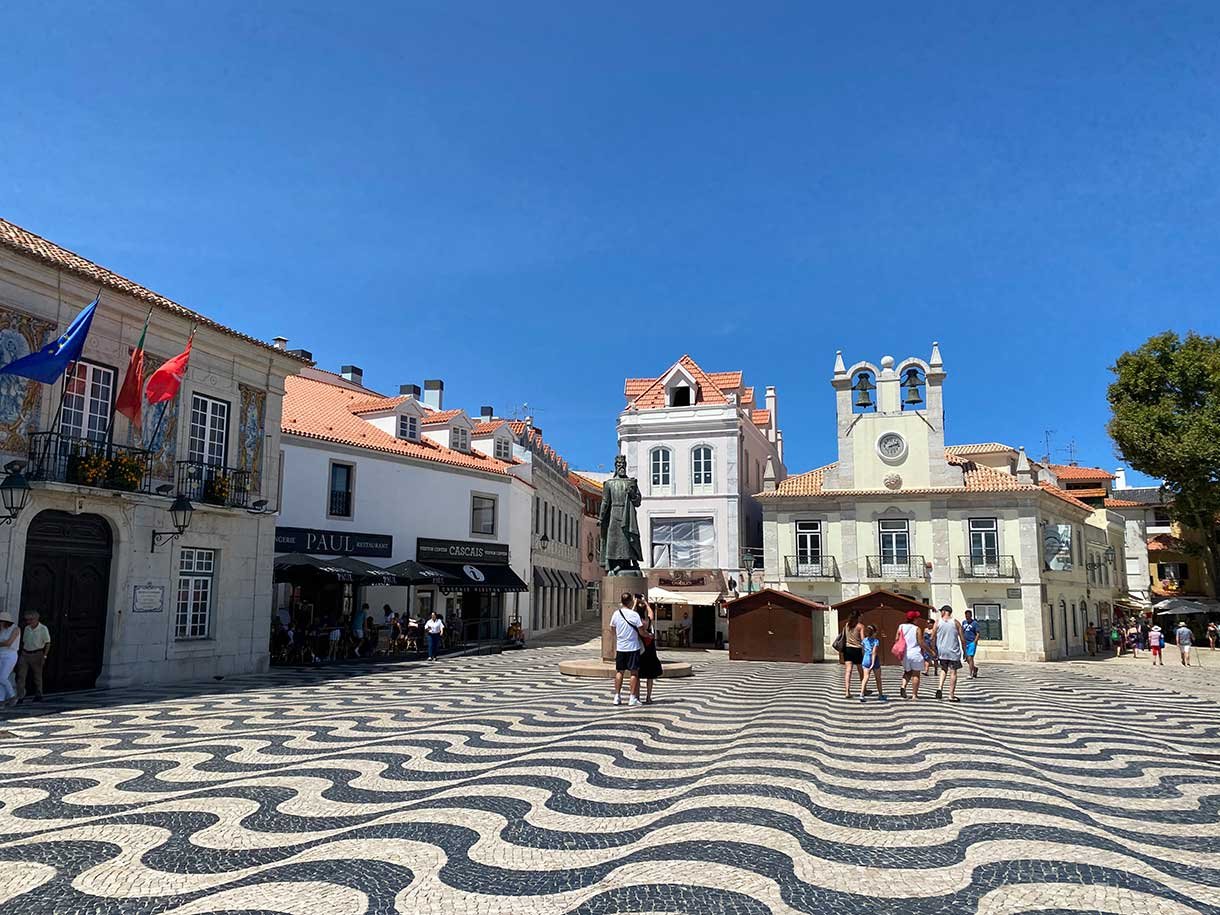
The historic center boasts charming black-and-white tiled streets requiring careful footwear selections to avoid slips. Preserved buildings from the 18th and 19th centuries feature bright white facades with decorative blue tiles. Be sure to visit landmarks like the statue of Dom Pedro I, prominently placed in front of the Old Town Hall.
The predominantly pedestrian area invites leisurely strolls throughout the day. Stop by the Tourist Information office for a well-marked map to help plan your route.
Beaches of Cascais
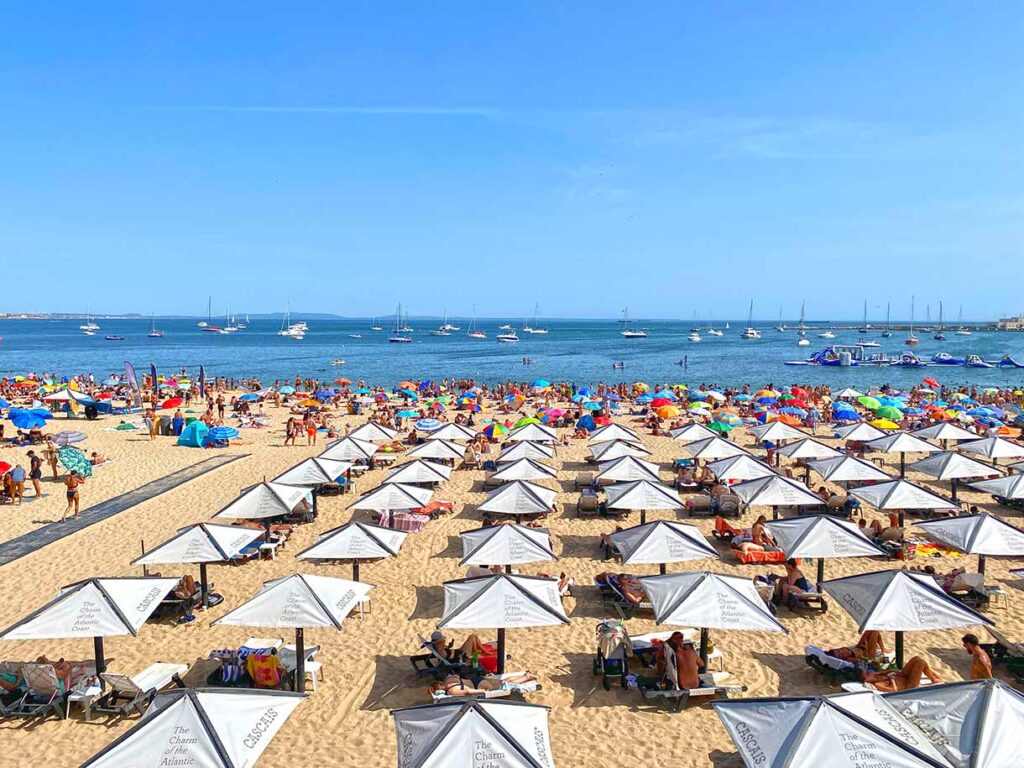
Undoubtedly, spending a day on the beach is among the most cherished activities in Cascais. For locals, known as Alfacinhas, visiting Cascais is a convenient beach getaway.
Right across from the Cascais train station, you’ll find the large Praia da Conceicao and Praia da Duquesa, which are two ends of the same beach, featuring calm waters, beach bars, and rental sun loungers.
Continuing toward the city center, Praia de Rainha is a cozier beach where locals lay down their towels and umbrellas for a peaceful sunbathing experience.
Lastly, Praia da Ribeira in the heart of town is bustling with locals and day-trippers alike, situated conveniently near numerous restaurants, bars, and shops in the marina.
Many more beaches lie along the coast in either direction toward Lisbon or Cabo da Roca.
I regretted not packing a swimsuit for my day trip; even dipping in the water for just half an hour before heading back to Lisbon is worth it! Keep in mind that public restrooms and changing facilities are limited, so consider buying a drink from a beach bar to access their facilities, or wear suitable clothing for easy changes.
Natural Swimming Pools

Bringing kids to Cascais? Plan on spending some time at the natural swimming pools adjacent to Praia da Conceicao and Praia da Duquesa. Concrete barriers create a safe swimming area, accessible via ramps or stairs (be cautious, as they can be slippery). Lifeguards oversee this area during the high season, making it an excellent choice for families with young swimmers.
Note: Portugal does not have a Mediterranean coastline, so whether you’re beachbound in Cascais or along the Algarve, expect to swim in Atlantic waters, which can be surprisingly chilly even in summer.
Santa Marta Lighthouse & Museum

A key landmark of Cascais is the Santa Marta Lighthouse on the banks of the Tagus River, established in 1867 to signal incoming seafarers to Cascais.
During my visit, the outer grounds and the small museum about lighthouse technology were free to access. Though usually a ticket purchase of €5 allows visitors to ascend the tower for panoramic views of Cascais, it was closed during my visit, so I missed that opportunity.
If you secure a ticket to the lighthouse, it also grants entry to the nearby Casa de Santa Marta, showcasing how the aristocracy in Cascais once lived.
Villas of Cascais

Cascais boasts a unique architectural style known as Summer Architecture, popular among affluent Portuguese families in the late 1800s and early 1900s. This style emphasized leisure and incorporated exotic elements and eye-catching designs.
As you wander through Cascais, you can envision wealthy families relaxing on ornate terraces overlooking the sea, savoring cocktails mixed with tinctures from Portugal’s former colonies, and lounging in their luxurious villas away from the bustle of the working class.
Significant examples of Summer Architecture in Cascais include:
- Palacete Seixas
- Casa Antonio Lencastre
- Palace of the Dukes of Loulé (currently the five-star Albatoz Hotel)
- Casa dos Porticos
- Casa Eduardo Luis Pinto Basto
You’ll find most of these villas overlooking the waterfront or along Emidio Navarro Avenue, just a few blocks from the Paula Rego House of Stories.
Cascais Citadel

The Citadel of Cascais reflects the town’s rich maritime history and the various conflicts that shaped Europe. Constructed during the Renaissance, the fortress was built to safeguard the town and the river route to Lisbon against invaders, including the English in the 1400s and the Spanish in the late 1500s.
Visitors can freely explore the citadel grounds, featuring the luxurious Pestana Citadela Cascais hotel, unique shops, art galleries, a restaurant, and the former royal residences. Entry to the opulent apartment interiors requires a ticket costing €4.
The Cascais Town Museum

Visit the newly opened Cascais Town Museum to delve deeper into the area’s fascinating history. The museum features well-signed exhibits in both English and Portuguese, providing insights into the town’s development from the New Stone Age to the 1900s. Admission is free as of Spring 2024.
Even if you don’t go inside, be sure to snap a picture of the beautiful tiled facade on the building.
Parque Marechal Carmona

For a serene picnic spot, visit the shaded Parque Marechal Carmona, located just outside Cascais’ historic center. Stop by local shops for fresh baked goods, cheese, fruit, and drinks, and enjoy a relaxing meal under a tree.
Families will appreciate the playground and duck pond, while architecture enthusiasts should take a moment to admire historic villas and important buildings, such as the Chapel of San Sebastian, bordering the park.
Casa Sommer

Don’t miss the Casa Sommer, named after one of Portugal’s influential industrialists. This remarkable example of Summer Architecture now functions as a public branch of municipal archives, housing essential artifacts and documents from Cascais’ history, notably the Foral, a royal document establishing the town in 1514. Admission is typically free unless a special exhibition is being featured.
Counts of Castro Guimaraes Museum

Another exquisite example of Summer Architecture now serving as a museum is the Palacio dos Condes de Castro Guimaraes, positioned on the waterfront at Parque Marechal Carmona. The property is washed by the waves of the Santa Marta beach during high tide.
The museum specializes in decorative arts, showcasing paintings, manuscripts, archaeological finds, and furniture from Portugal’s global colonies. Visitors will explore rooms adorned in their original exquisite style, offering a glimpse into the lives of Cascais’ wealthy families at the turn of the 20th century.
More Cascais Travel Tips
If this Cascais travel guide has inspired you to visit the seaside town, here are a few extra things you should know before you go.
How to Pronounce Cascais
First things first, learn how to pronounce the name of the city! The pronunciation is closer to “cash-cayzh”, with hidden “h” sounds in there.
Getting to Cascais
The easiest way to reach Cascais is by taking the interurban train from Lisbon’s Cais do Sodre station. As of Spring 2024, fare is €2.40, payable by tapping your Navigante card. The journey takes approximately 45 minutes, stopping at Belem along the way.
During peak season, the train can become quite crowded, so waiting for the next train can be a good option if standing for the entire trip isn’t appealing.
Restaurants in Cascais
I encountered some challenges when dining in Cascais. While I lunched at the well-known Galeria House of Wonders (you can read more about this quirky spot in my guide to vegetarian-friendly Lisbon restaurants), I found it less than impressive. Santini’s ice cream was enjoyable but not exceptional. I had an unfriendly interaction with the owner of an Italian restaurant called Aqafarina, so I suggest steering clear.
Though I haven’t tried them personally, if I were to visit again, I’d explore options like Taberna Clandestina Cascais (for tapas), Taberna Economica de Cascais (for seafood, not vegetarian-friendly), or Roots Cafe (for brunch and casual eats). The café at the Paula Rego House of Stories seemed quite busy with locals, indicating it might be a decent option as well.
Hotels in Cascais
Expect high prices and early bookings for hotels in Cascais, especially in peak season. If you’re considering an overnight stay, check out these three accommodations:
Tours to Cascais
Those pressed for time might find tour companies offering packages that include visits to Cascais combined with other attractions around Lisbon, such as Sintra, Pena Palace, and the Cabo da Roca coastline.
Is Cascais Worth Visiting?
Absolutely! Cascais is definitely worth a visit. While it may appear expensive, it’s not a tourist trap. For those on a budget, it can be a delightful day trip from Lisbon. For those with a bit more flexibility, spending a night or two here is an ideal way to unwind away from the hustle and bustle (and hills!) of Lisbon.
Frequently Asked Questions
1. How do I get to Cascais from Lisbon?
The easiest way to reach Cascais is by taking the interurban train from Cais do Sodre station in Lisbon. The journey takes about 45 minutes and costs around €2.40.
2. What are the best beaches in Cascais?
Some of the best beaches in Cascais include Praia da Conceicao, Praia da Duquesa, and Praia de Rainha. Each offers unique atmospheres and beautiful scenery.
3. Is Cascais family-friendly?
Yes, Cascais is very family-friendly with activities like natural swimming pools, beaches, parks, and museums that cater to visitors of all ages.
4. When is the best time to visit Cascais?
The best time to visit Cascais is during the summer months (June to August) when the weather is warm and sunny, perfect for enjoying the beach and outdoor activities.