
Grocery Shopping in Italy: A Guide to Shopping Like a Local
Grocery Shopping in Italy – How to Shop Like an…
Grocery Shopping in Italy – How to Shop Like an Italian
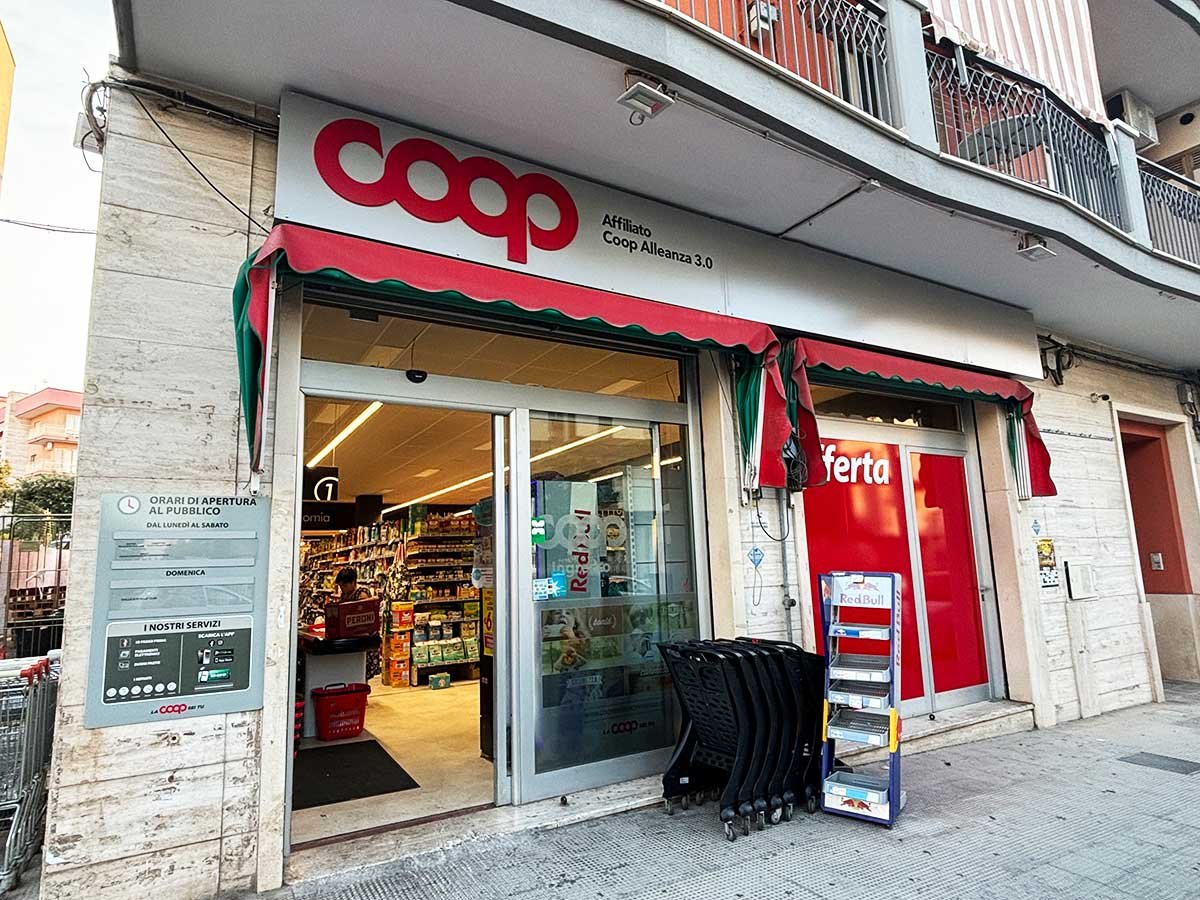
Grocery shopping in Italy can feel confusing at first, but once you get the hang of it, you’ll realize that browsing in an Italian supermarket can be one of the most enjoyable activities on any trip to Italy. From sampling unique food products to understanding different shopping etiquette, buying groceries in Italy is always an adventure!
My Experience Grocery Shopping in Italy
Grocery shopping in Italy is something I’ve become quite experienced in! I lived in Turin, Italy for about two years, during which I had several Italian roommates. I learned how to shop like a local, and also had the pleasure of observing my roommates’ shopping habits.
Since leaving Italy, I’ve returned numerous times. Typically, I rent an apartment for a month or more, allowing me to cook my own meals using the lovely ingredients and techniques I grew to appreciate while living in Italy. Even back at home in Canada, I like to use a reusable shopping bag adorned with a picture of the Mole Antonelliana!
My most recent trip to Italy was in July 2024, during which I rented several different apartments and shopped from Piedmont to Puglia. I hope the following tips help you feel as comfortable and confident as I do when exploring Italian grocery stores on your next visit!
🍝 If you’d prefer to listen to this article as a podcast, it is now live on YouTube! 🍝
#1 – The Different Types of Grocery Stores in Italy

Roughly speaking, there are four main types of grocery stores in Italy:
- Small supermarkets – These are located in most neighborhoods, making them easily accessible for locals after work. Common chains include Carrefour Express, Conad, and Crai, though many are operated regionally or independently.
- Large supermarkets – Often identified by “ipermercato” in their name, these are typically situated outside historic centers and feature large parking lots for shoppers buying in bulk.
- Specialty stores – Many Italians prefer buying items like bread, fruits, vegetables, dairy, and meats from specialized stores rather than supermarkets.
- Prepared food stores – When Italians are too tired to cook at home, they can find freshly-made food in shops selling salads, grilled vegetables, and even fresh pasta to take away.
#2 – Be Prepared for Smaller Packages

Back in Canada, I often buy my necessities in bulk. But in Italy, where living spaces are typically smaller, you’ll find groceries sold in much smaller quantities. For example, paper towels are often sold in packages of just three or four rolls, and finding large containers of goods is rare.
This approach has its advantages, ensuring you use products while they’re fresh and minimize food waste. However, it also necessitates more frequent trips to the grocery store, especially if you’re shopping for a family.
#3 – Bring Your Own Bag (and Then Bring It Home!)
Italy has long been proactive in reducing single-use plastics. Supermarkets usually do not provide plastic bags and instead sell reusable, compostable, or paper bags. It’s wise to bring your own reusable shopping bag when grocery shopping in Italy.
Pro Tip: Look for cute reusable bags while abroad! They make fantastic souvenirs and are lightweight, fitting easily into your suitcase.
#4 – The Bottled Water Selection is Crazy

Bottled water in Italy is a hot topic. Some swear by it, whereas others advocate for tap water. Supermarkets carry an impressive array of both still and sparkling waters, but shopping etiquette dictates never to open sealed packaging unless buying.
Some tips for purchasing bottled water include being aware of store rules regarding opened packages, testing different brands to find your favorite, and ensuring to recycle your empty bottles.
#5 – Fruits and Vegetables Are Often Packaged in Plastic and Styrofoam

One of my biggest frustrations about grocery shopping in Italy is the excessive packaging. You’ll often find bananas wrapped in styrofoam and plastic, leading to needless waste. Sturdy fruits and vegetables like tomatoes and peppers frequently come pre-packaged as well.
If this irks you, consider purchasing your produce from local markets or greengrocers instead, where you can select your items without the wasteful packaging.
#6 – Weigh Your Own Produce

When I first arrived in Italy, I mistakenly brought a basket full of unweighed fruits and vegetables to the register, earning me quite the shocked response from the cashier! In Italy, customers must weigh their produce at self-service scales before heading to checkout.
Simply select your items, weigh them, and place the printed sticker onto the produce, making sure it’s visible during checkout.
#7 – More Products to Pick Up
If I have a kitchen in my Italian apartment rental, here are my go-to staples upon arrival:
- Fresh pasta! I prefer filled varieties like ravioli and tortellini.
- Butter for a delightful pasta sauce.
- Frozen minestrone soup mix for quick veggie-packed meals.
- Jam and soft cheese for delicious breakfast spreads.
- Yogurt with unique flavors like pistachio or almond.
- Mulino Bianco Macine cookies for a delightful treat.
#8 – Italian Supermarkets Are Perfect for Souvenir Shopping!
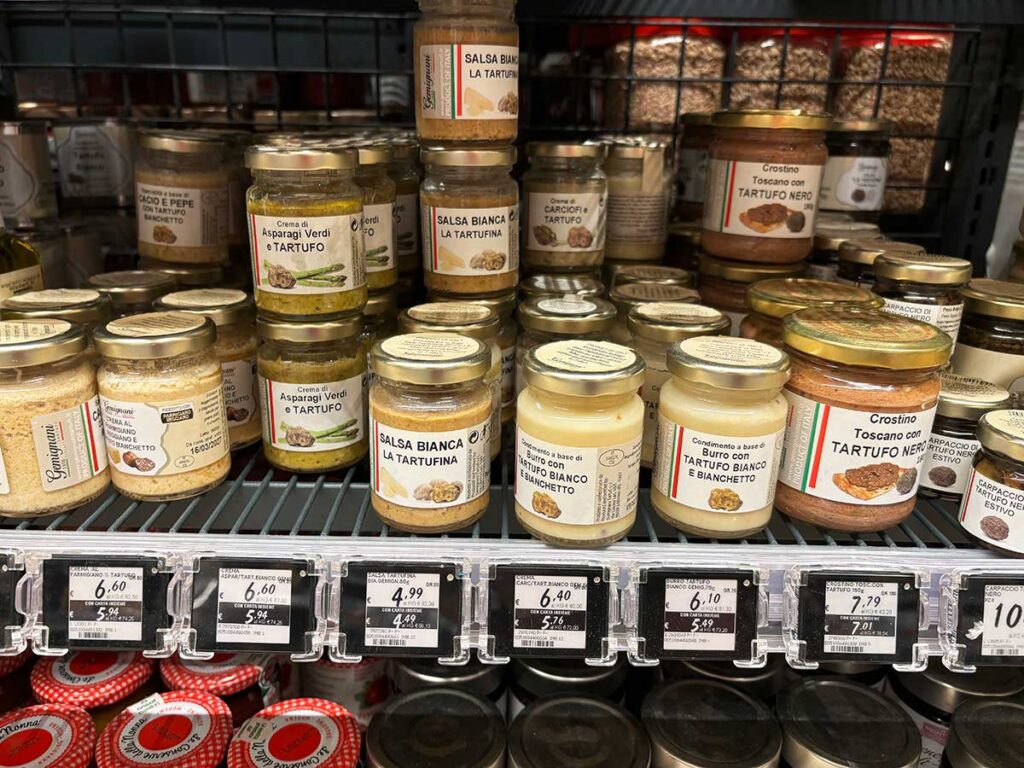
For souvenirs, I love heading to regular grocery stores instead of gourmet supermarkets like Eataly. You’ll find a fantastic selection of shelf-stable items that can easily be transported home. Start with the condiment aisle for unique flavors like truffle cream or jarred olives.
Dried pasta makes a lovely souvenir, as long as you pick a unique local shape. Other items I like to bring back include regional chocolates, almond or pistachio liquors, and even saffron, often more affordable as it’s commonly used in local dishes.
Always check your customs regulations before bringing food items back home!
#9 – Italian Supermarkets Have Epic Liquor Selections!
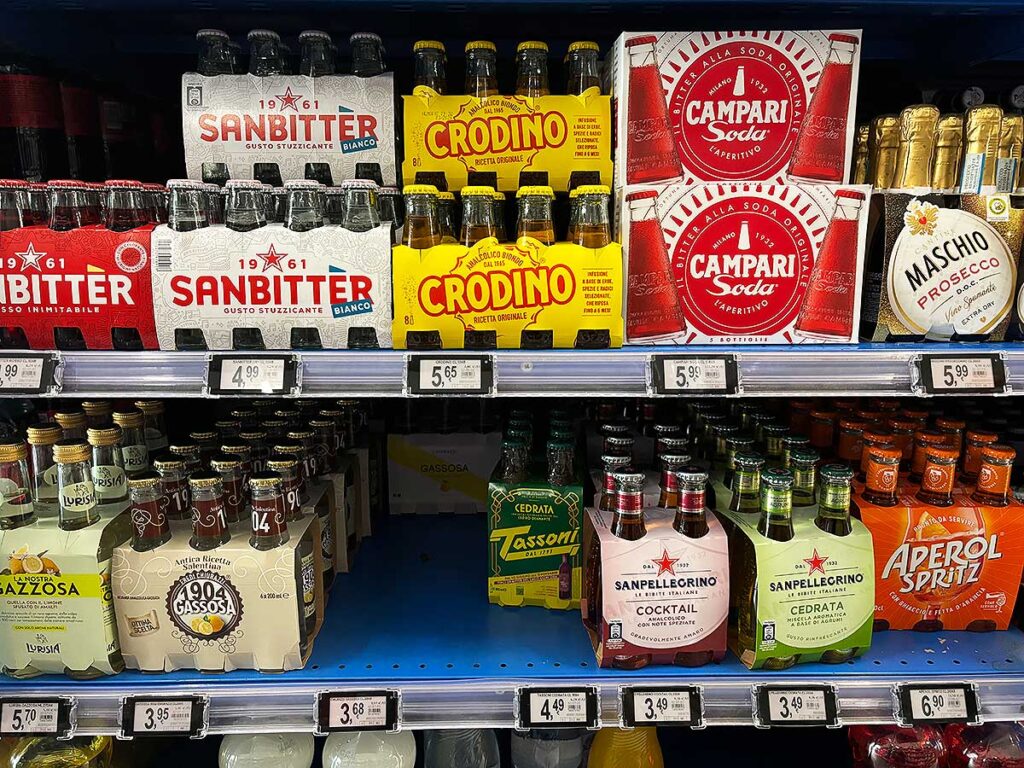
If you’re looking to save money on drinks, check out the liquor sections in grocery stores. You can find a diverse selection of pre-mixed spritzes and other cocktails, ready to chill and enjoy. Italian supermarkets also have a great variety of wine, local spirits, and beer.
With the legal drinking age set at 18, it’s an ideal opportunity to explore local beverages without spending a fortune at bars.
#10 – Use the Self-Checkout Like a Pro

Once you’ve found all your desired items, it’s time to checkout! At the checkout, cashiers may ask if you have a loyalty card or need a bag. Remember to bag your items as they’re scanned to keep the line moving.
If using the self-checkout, be sure each item scans correctly. It’s a convenient way to handle your purchases and get change for larger bills! After you’ve completed your shopping, don’t forget to keep the receipt, as you may need it to exit the store.
FAQs
- What should I bring when grocery shopping in Italy?
- Be sure to bring your own reusable shopping bag, and if you’re buying produce, be prepared to weigh and label it yourself!
- Are stores in Italy cash-only?
- No, most supermarkets accept credit and debit cards, though it’s best to check if smaller stores do as well.
- Can I find international foods in Italian supermarkets?
- Yes, larger supermarkets often carry a selection of international food items, but local products are emphasized.
- Is it okay to drink tap water in Italy?
- Yes, tap water is generally safe to drink in Italy, but many people prefer bottled water for taste or personal preference.