
Best Small Towns in Italy to Visit: 15 Hidden Gems
Best Small Towns in Italy to Visit: 15 Hidden Gems I share my favorite places, local flavors, and practical tips to help you explore beyond the crowds.
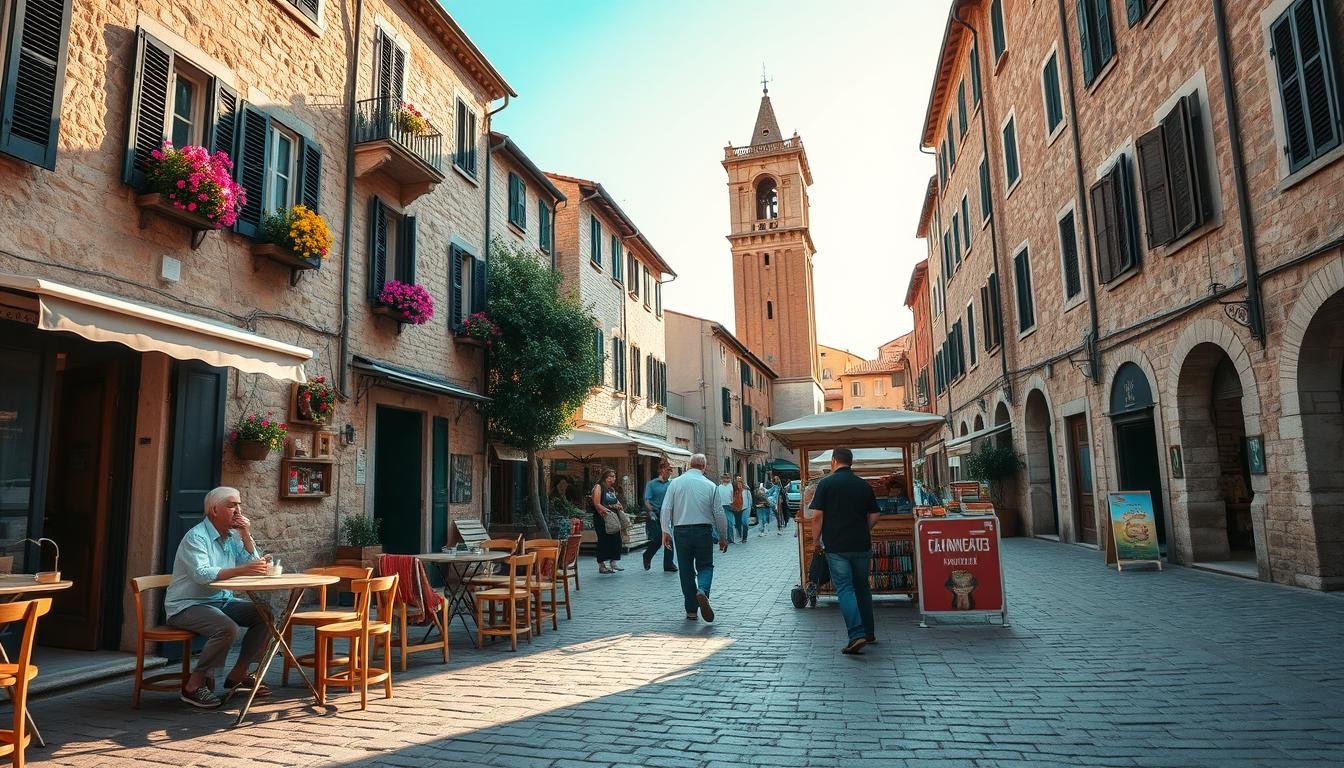
A small piazza can be so quiet that you hear cups touch saucers, while a major Italian city moves around you in a steady rush. For independent travel in Italy, that contrast can make room for a closer look at local culture, from stone lanes and lively squares to coastlines and regional food.
These 15 picks offer a range of ways to experience the country beyond its busiest cities. “Hidden gem” is a relative, subjective label here, not a claim that a place is undiscovered or empty. A trullo is a traditional stone dwelling with a distinctive conical roof, especially associated with Puglia; trullo is the singular form of trulli.
I chose places for the character they bring to a trip, not as a definitive ranking. Quieter stops can make travel feel more connected to local life, with space to notice the everyday rhythms that give each region its own personality.
Why Visit the Small Towns of Italy?
Small towns offer a closer look at local rhythms, not a guarantee of empty streets. A slower day can leave room for the details that are easy to hurry past in a major city: a bakery opening in the morning, a long lunch, a church bell marking the hour, or a conversation that grows out of asking what is on the menu.
That pace is one reason I find small-town travel rewarding. It can bring architecture, everyday rituals, food, and regional identity into the same afternoon. You might spend the morning in an old center, pause for a coffee in a historic piazza, then see the town shift into its evening routine as residents return to the square.
Each place offers a different way into that experience. Alberobello’s trulli make its built landscape distinctive, while Matera’s Sassi bring together historic homes and a dramatic setting cut into stone. San Gimignano’s historic center preserves a striking medieval silhouette. Alberobello, Matera, and San Gimignano are UNESCO World Heritage sites, and their protected heritage is a major part of their appeal.
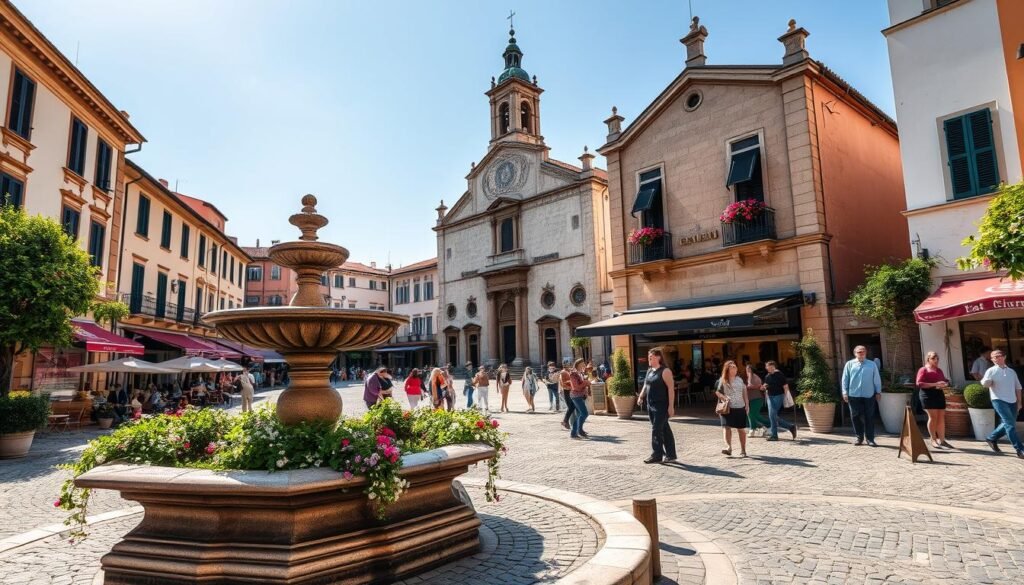
Those recognizably historic places are not automatically quiet. They can draw visitors throughout the day, especially in peak periods, and their most famous viewpoints may feel busy. I would treat popularity as part of the visit rather than expect a town to perform as a private discovery. A side street, a less hurried meal, or a return walk later in the day can offer a different view without pretending the crowds do not exist.
Polignano a Mare makes a different impression: its dramatic coastal cliffs put the sea at the center of the landscape. The contrast between that open horizon and the close-set lanes inland is part of what makes regional travel so varied. Small towns are not interchangeable, and slow travel is less about doing nothing than giving each place enough time to reveal what makes it itself.
For me, the strongest reason to add one is the chance to notice how daily life and a place’s history sit side by side. Once that appeal is clear, the next step is choosing which of Italy’s many different settings best fits your trip.
15 Best Small Towns in Italy to Visit
This is a curated shortlist, not a definitive ranking of every Italian town. Four featured picks offer very different starting points: Alberobello for its distinctive trulli, Matera for the Sassi, San Gimignano for its historic skyline, and Polignano a Mare for cliffs above the sea.
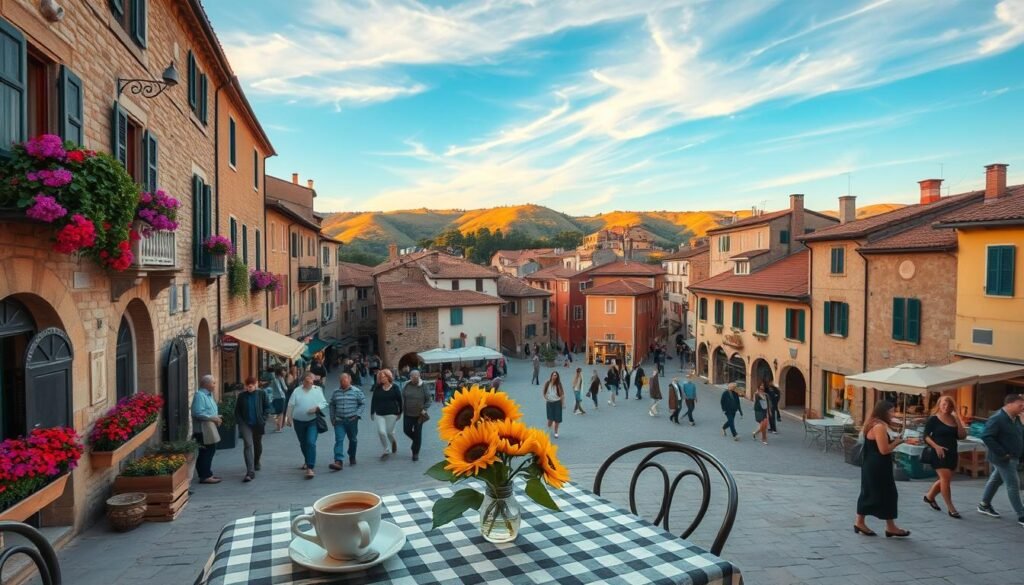
For best Italian towns for independent travelers, consider what kind of day you want. These 11 other options bring their own character:
- In Puglia, Locorotondo has whitewashed lanes, Ostuni a hilltop setting, and Otranto Adriatic history and a waterfront.
- In Calabria and Sicily, Tropea offers clifftop views, while Cefalù pairs an old town with the sea.
- In central Italy, Orvieto has a hilltop historic center, Pienza Renaissance architecture, Volterra a long history and stone streets, and Spello flower-lined lanes.
- Ascoli Piceno stands out for its travertine piazzas, while Cividale del Friuli offers historic character in the northeast.
Together, these regional Italian destinations can inspire a trip built around a landscape, an architectural style, or a slower pace. The first four have especially distinct identities, so I’ll begin with those more detailed profiles.
Best Hidden Gems in Italy Beyond the Famous Tourist Destinations
A practical test for a good fit beyond the famous tourist circuit is whether you can picture enjoying its everyday center, not only its best-known view. Look for a lived-in centro storico, shops people use for daily errands, and a pace that feels appealing to you rather than merely quiet on a map.
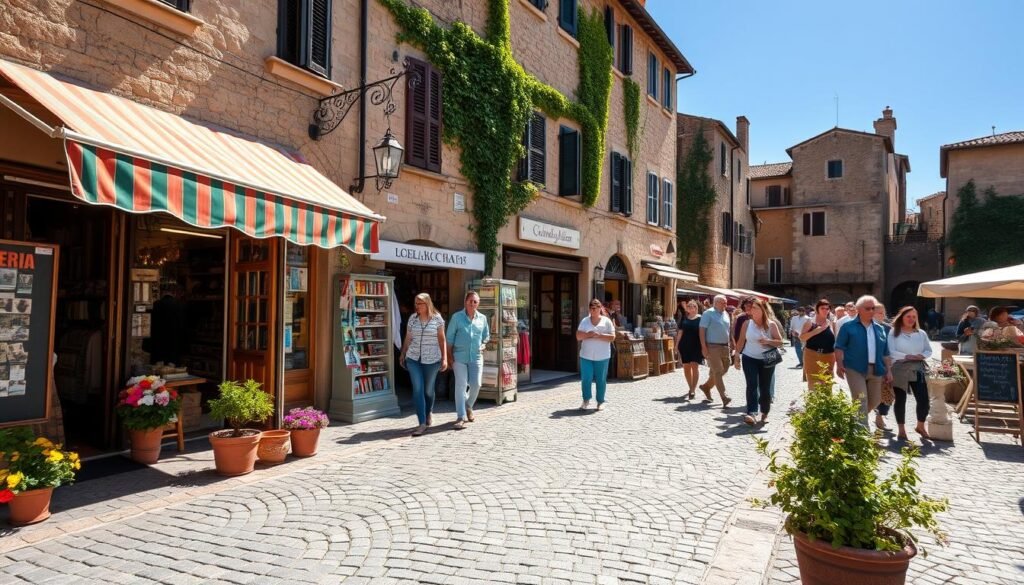
Locorotondo and Spello are worth considering alongside better-known stops if you like wandering through compact lanes and taking the day as it comes. Their appeal is not that nobody else knows about them; it is that their scale and local character may suit a traveler looking for a different balance from a major city.
Even a small destination can draw crowds at popular times, around a major event, or at a famous viewpoint. I’d judge a place by whether its ordinary streets and setting interest you, too. That same attention to atmosphere helps when choosing a town for a romantic Italian getaway.
Best Small Towns in Italy for Couples
For a couple choosing between an inland evening stroll and sunset by the water, Pienza and Polignano a Mare offer two distinct moods. Pienza suits a shared wander through an elegant historic setting; Polignano a Mare brings the drama of the coast into the day.
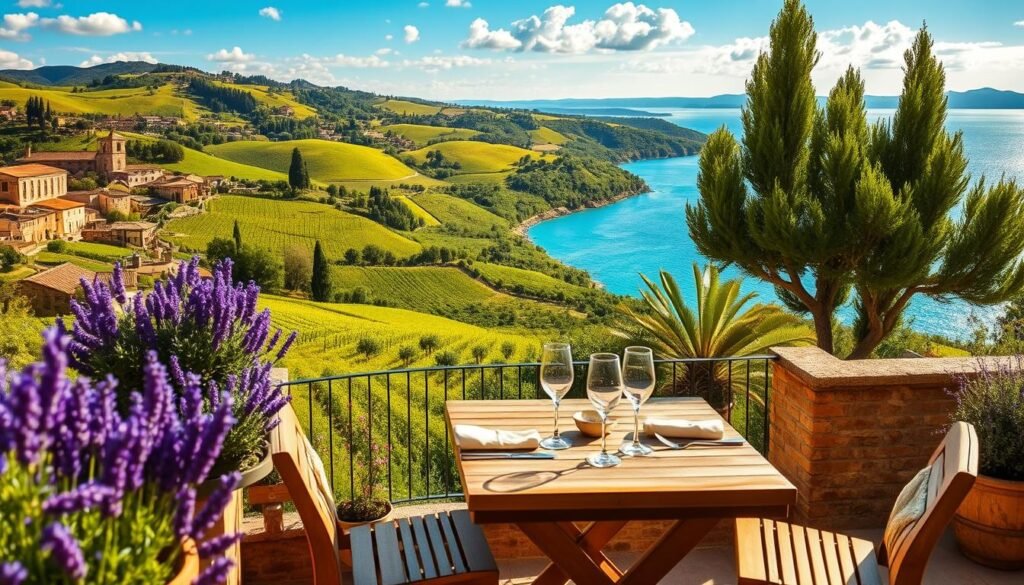
Both can make room for the simple pleasures that turn a short break into time together: a slow evening walk, a scenic meal, and a day with no need to rush from one sight to the next. Their settings are different, so the better choice depends on whether you picture stone streets and an inland sunset or a view that opens onto the sea.
My less obvious advice is to choose a base for the kind of evening you want, not just for a photogenic daytime view. Think about where you would enjoy walking after dinner and how much sightseeing you want to build into the day. From romance, it is a natural step to the practical question of which coastal places suit a restful stay.
Best Coastal Towns in Italy for a Relaxing Getaway
Polignano a Mare is a dramatic-view coast stop, while a slower beach-oriented stay may call for a different coastal setting. Otranto, Tropea, and Cefalù each have their own character along Italy’s shores, from the Adriatic coast to places associated with the Tyrrhenian coast.
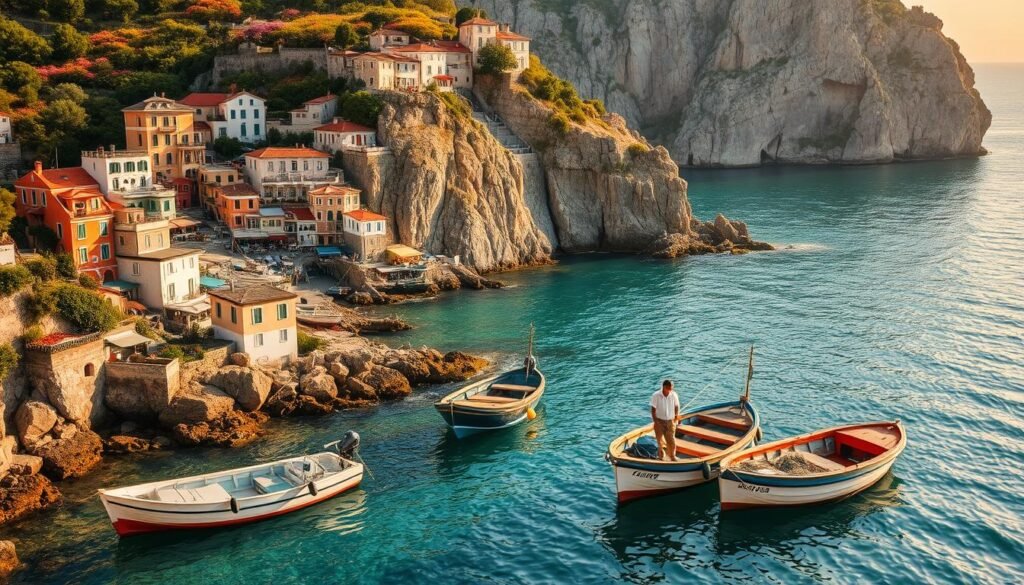
The right choice depends on your preferred balance of swimming, walking, and sightseeing. A day built around a beach and a gentle waterfront stroll feels different from one spent climbing to a viewpoint, exploring an old center, and stopping often to take in the scenery. Dramatic cliffs can be beautiful, but cliffside routes may involve stairs and uneven surfaces, so they are not automatically an easy-going option.
Coastal fishing hamlets and larger, more visited seaside towns also have different daily rhythms. I would look beyond a dramatic picture and consider how you want to spend the hours between it: in the water, on foot, or exploring local streets. For travelers more drawn to historic Italian architecture than the shoreline, the inland towns offer another kind of depth.
Best Small Towns in Italy for History and Culture
The best history-focused choice depends on which era, architecture, or landscape draws you in. Alberobello’s trulli, Matera’s Sassi, and San Gimignano’s historic towers each create a distinct built environment, making them strong choices for travelers interested in medieval hilltop villages and other layers of Italian history.
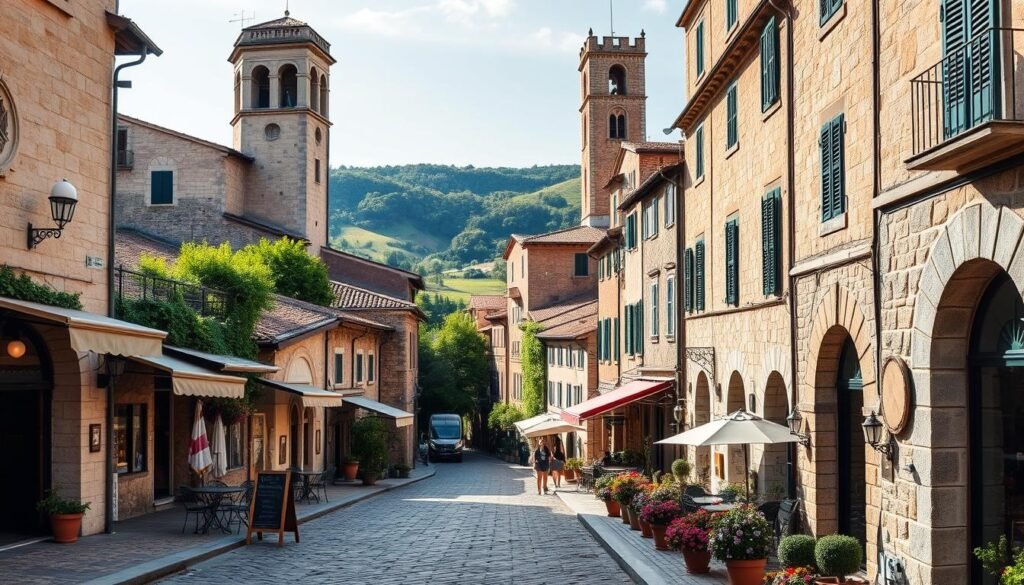
Alberobello, Matera, and San Gimignano are UNESCO heritage sites, but the experience of each is different. Their buildings and streets are part of living communities, not open-air exhibits. A respectful visit gives residents room to go about their day while making time for the history that brought you there.
- Walk slowly through residential lanes and keep doorways clear.
- Visit a local museum or heritage site to add context to what you see outside.
- Pause in a working piazza and take in its everyday use, not only its architecture.
That balance helps history feel connected to the present. For a different kind of cultural insight, pay attention to what a town grows, bakes, and serves at the table.
Best Italian Villages for Food Lovers
A quick market snack and a long, relaxed meal can each tell you something about a place, but in different ways. For food-minded travelers, regional food traditions offer a useful way to choose where to linger: look for local dishes, bakeries, markets, and family-run dining rather than expecting one menu to appear everywhere.
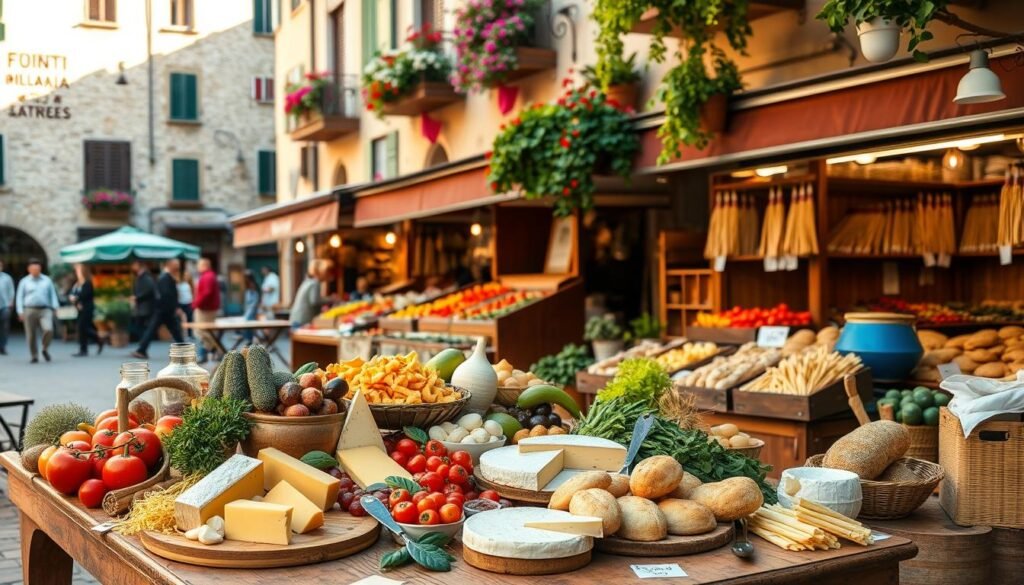
Puglia food and Tuscan cuisine are two routes into Italy’s wider range of regional cooking. The experience is shaped by local ingredients and habits as much as by a particular dish, so I like to leave room for whatever a market counter or chalkboard menu makes tempting that day. A bakery stop can be just as memorable as a carefully planned dinner.
In smaller places, menus and opening days can vary. Keep a flexible meal plan instead of counting on one restaurant being open at a specific hour, especially if the day includes a long walk or a late arrival. With food and culture in mind, timing becomes the next question: when can you find a good balance of weather and crowds?
Best Time to Visit Small Towns in Italy
There is no single best month for every Italian town; the right timing depends on the weather you enjoy, your tolerance for crowds, and the experience you want. Spring and fall often appeal to travelers seeking milder days, while summer can bring long evenings and busy visitor areas. Winter has a quieter feel in many places, though some businesses or attractions may have reduced schedules.
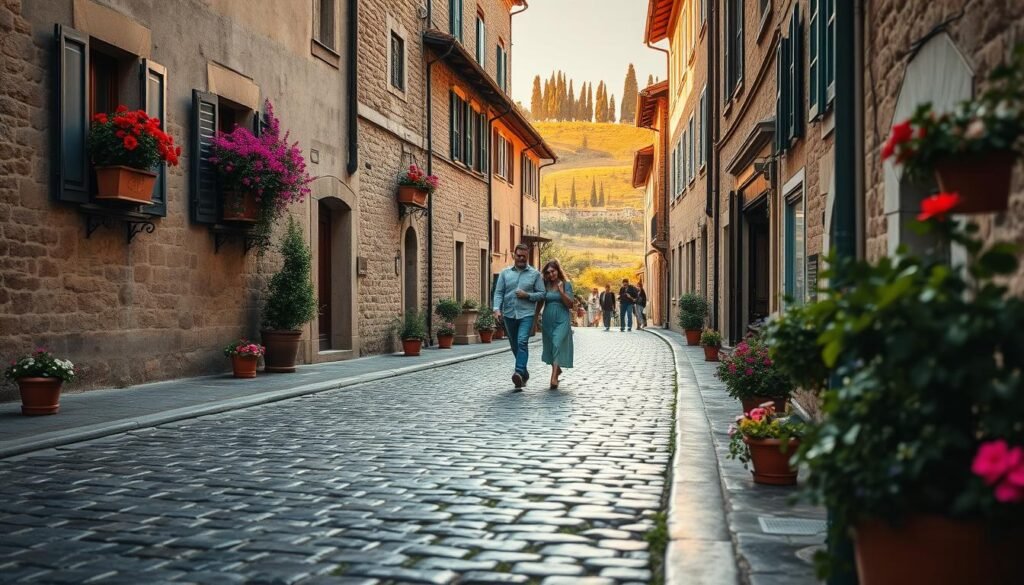
Each season comes with tradeoffs. Spring brings fresh landscapes, but conditions can vary. Summer suits travelers who want to spend time outdoors late in the day, though coastal destinations and famous sites can be busy. Fall offers a different atmosphere for walking and eating well, while winter may suit a city-and-town combination better than a trip built around beach time.
Seasonal rhythms vary by place. Coastal destinations, inland towns, and island or mountain locations do not necessarily share the same opening patterns or weather. Off-season travel planning is more reliable when you check local opening schedules before building a trip around a particular business or attraction. For wider help comparing regions and timing, explore this Italy travel guide.
Once you have a season in mind, the next choice is where to sleep so that the stay suits your pace and daily plans.
Where to Stay in Italy’s Small Towns
Arriving after a day of travel can change how you feel about a beautiful countryside stay, especially if there is no ride waiting. A room in the historic center, a rural agriturismo, and a small guesthouse each offer a different balance of convenience, quiet, and connection to the surrounding area.
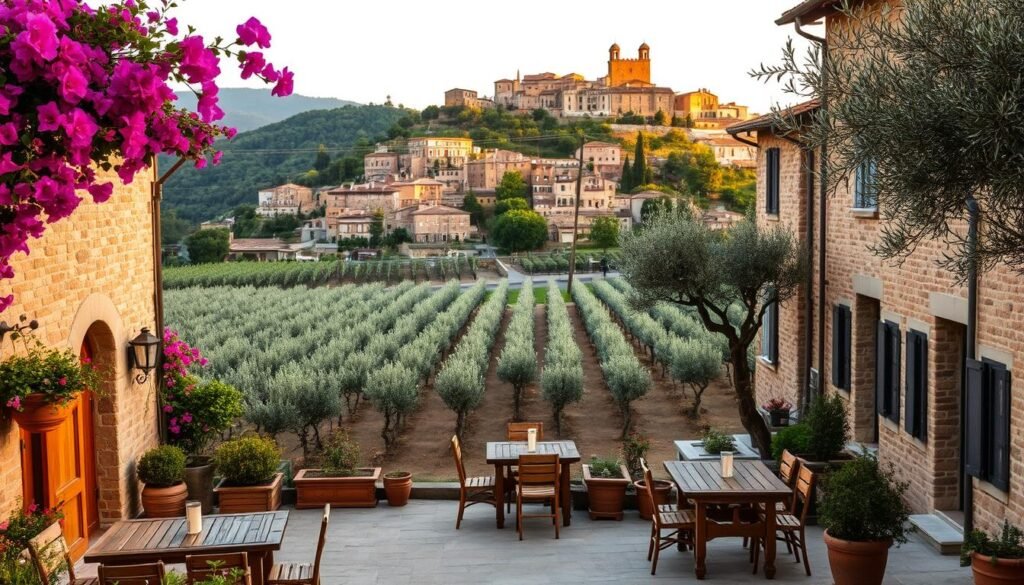
A historic-center room makes it easier to walk to dinner and explore on foot. A countryside agriturismo can offer more space and rural surroundings, but may be less convenient without a car or a planned transfer. Small Italian guesthouses can be a welcoming middle ground, though their location and check-in arrangements still matter. Before booking, check:
- Whether breakfast is included.
- How far the property is from transit or dinner.
- Whether check-in times fit your arrival plan.
Those details can make the difference between a relaxing arrival and a scramble to solve logistics after dark. Once the bed is chosen, think through how you will reach it and explore the area nearby.
How to Get Around Italy’s Small Towns
The best way to get around Italy’s small towns depends on how connected the places are and how much countryside you want to cover. A regional train can be useful for connected routes, while local buses may reach towns beyond rail lines; a rental car brings more rural flexibility, and walking often works best once you are based in a historic center.
There is no single transport pattern across the country. Not every town has a station, and a rail journey may need a bus or another connection for the final stretch. Check connections for the exact travel day, since a route that looks simple on a map may be indirect or infrequent.
- Regional trains for routes that connect the towns you want to visit.
- Local buses for some destinations beyond the rail network.
- A rental car when rural flexibility matters to your plans.
- Walking for exploring once you are based in a historic center.
Choose a mode around the actual places you plan to see, rather than assuming the same option will suit every leg. With the route and lodging in view, you can start putting the trip together step by step.
How to Plan a Trip to Italy’s Small Towns
A traveler trying to fit several attractive towns into one week will usually have a better trip by grouping stops by region. Regional travel planning cuts down on backtracking and gives each place enough time to feel like more than a quick photograph between transfers.
Start by choosing a region or a compact cluster of destinations, then set a manageable number of bases. Check how you will arrive and leave each base, including the connections between towns. A short distance on a map can still involve a slow or indirect connection, so travel time matters as much as mileage.
Leave room for unplanned wandering. A market, a long lunch, or a street that invites one more turn can be part of the reason to go. Before committing to nonrefundable plans, check current schedules and local opening days. Travel information can change, so I also find it useful to keep broad planning flexible. For more general trip-planning ideas, take a look at Trivoso’s travel planning resources.
Think of an agriturismo stay as a base only if its location works with your route and daily plans. The same principle applies to any overnight stop: make the connections realistic, then give yourself breathing room. For a shorter trip, that means narrowing the plan to a strong weekend base rather than trying to cover too much.
Best Small Towns in Italy for a Weekend Trip
One well-chosen base often makes a better weekend than racing between towns. With only a couple of days, a single center and one nearby outing can give you more time for the streets, meals, and unplanned pauses that make a short escape feel worthwhile.
Polignano a Mare with Alberobello is one possible regional pairing, while San Gimignano can be combined with another Tuscan stop. Treat these as ideas, not guaranteed easy journeys: verify the route and connections for your travel dates before building the weekend around them. A late arrival on the first day can make even a two-town plan feel rushed.
- Choose one main base with a walkable center.
- Add a nearby stop only if the connection fits your schedule.
- Leave the first evening open if your arrival is late.
For a successful Italian weekend getaway, fewer moves usually mean more time to settle in. Once you have chosen the regional base, the next question is how practical it will be to make the trip without renting a car.
Best Small Towns in Italy to Visit Without a Car
Some small towns are manageable without a car, but access varies by route. Polignano a Mare, Alberobello, and Orvieto are car-free candidates to consider, though whether they fit depends on your starting point and the connections available for your journey.
Staying near the center or station can make a no-car visit much easier. Check the last return connection before planning a day trip, especially if your evening depends on a train or bus. Walkable does not always mean effortless: historic routes may include slopes, steps, and cobbled surfaces, so leave extra time and choose shoes that feel secure.
It is worth judging a route door to door, not only by whether a town has a station. If the arrival connection works and the center suits your walking needs, a car-free stay can be simple and satisfying. After transport, turn to the costs that shape a realistic trip budget.
How Much Does It Cost to Visit Small Towns in Italy?
Costs vary most with season, accommodation, and how much you move between places. Travel dates, regional connections, restaurant choices, and the number of bases also shape the total, so no single budget fits every town or travel style.
Rather than work from a single headline figure, estimate the parts of your own trip. A plan with one base and local meals will look different from a multi-stop itinerary with frequent transfers and several paid activities. For a broader budgeting reference, see this Italy travel budget breakdown.
- Lodging for each night.
- Transport between regions and local transfers.
- Meals, including snacks and drinks.
- Activities, admissions, and any guided visits.
- A buffer for local transfers or other unexpected needs.
That buffer is useful in small towns, where a last connection or a change of plan can affect the day. Keep estimates realistic for the way you like to travel, then move from expenses to the practical habits that help a visit go smoothly.
Practical Tips for Visiting Small Towns in Italy
A common mistake is treating a quiet residential lane like an attraction open only for visitors. A scenic street may be someone’s real neighborhood, with front doors, daily errands, and people who deserve the same courtesy you would offer at home.
These small habits make it easier to explore with care:
- Wear comfortable, supportive shoes for uneven lanes, stone paving, and slopes.
- Show modest awareness around active religious sites and follow posted guidance.
- Keep your voice low in residential streets, especially in the evening.
- Carry some cash for small purchases where card payment may not suit.
- Check local hours before setting out, since schedules can vary.
Ask before photographing people, and be mindful of doorways and private spaces when taking pictures. Responsible travel in Italy includes noticing when a beautiful scene is also an ordinary place where people live. Local customs are easiest to respect when you approach a town as a community, not a backdrop. Since schedules and local rules can change, review current information from the relevant service or official provider before you go. Those practical habits make a good foundation for a week paced around real time in each place.
A Sample 7-Day Italian Small Town Itinerary
Arriving in Bari, a traveler can explore Puglia and Basilicata at an unhurried pace by using the city as a practical arrival point and keeping the route flexible. This seven-day Italy itinerary connects Polignano a Mare and Alberobello with time in Matera, without asking you to change towns every day.
- Day 1: Arrive in Bari and settle in, leaving time for the journey rather than adding another stop.
- Day 2: Spend the day in Polignano a Mare, with time for its center and coastal views.
- Day 3: Continue to Alberobello and explore the trulli at a relaxed pace.
- Day 4: Stay another night in the area or take a slower day before moving on.
- Day 5: Travel toward Matera, checking the connection that fits your dates.
- Days 6-7: Give Matera unhurried time, with room to explore its historic setting and take breaks.
This is a flexible regional trip route, not a promise that every connection is direct. Check current transport schedules and adjust the order to suit the available links. If you prefer slower days, choose fewer stops and give each more time. To orient yourself across the full route and the other recommendations, use the map next.
Map of the Best Small Towns in Italy
The recommendations span multiple Italian regions rather than clustering into one easy loop. A useful Italy town map should group destinations by region, label the main places, and distinguish coastal stops from inland ones so the geography is clear at a glance.
Seeing the places together helps you decide which cluster makes sense for one trip and which deserves a separate visit. Puglia, Tuscany, and northern destinations each bring different landscapes and travel patterns. A map can show that variety without suggesting every stop belongs on the same itinerary.
Nearby places on a map may still require an indirect connection, so distance alone does not tell the whole story. Use the geography to choose a region first, then check how its destinations connect. Once you have a regional cluster in mind, it is easier to add countryside or nearby communities without turning every day into a transfer.
Best Places to Visit Near Italy’s Small Towns
The strongest extension is usually the one that stays within the same region. That keeps the trip coherent and gives you more time to notice how a historic center relates to its surrounding landscape.
Explore the Countryside of Tuscany
Pairing San Gimignano with the Tuscany countryside lets you move between a distinctive townscape and open rural views without treating the area as a checklist. Volterra or Pienza can make a nearby-town addition, depending on the route you choose and the amount of time you have. I would build in time to stop along the way rather than make every stretch a race to the next destination.
That flexibility matters in a region where the appeal is often in the changing view as much as the arrival. Choose a small number of places and let the countryside connect them, rather than adding distant stops just because they look close on a screen.
Discover the Coast of Puglia
Extend a coastal stay by leaving room for inland Puglia, too. Alberobello or Locorotondo can offer a change of scenery from the shoreline, while coastal towns bring their own pace of walks and time by the water. A regional plan gives you the option to balance sea views with stone streets and inland landscapes.
Rather than trying to fit every appealing stop into one day, decide what you want the day to feel like. A slower coastal morning can pair well with an afternoon inland only when the route and timing make sense. Otherwise, staying put often makes for the better experience.
Visit the Villages Around Lake Como
Lakeside villages around Lake Como make a lovely separate regional extension, not a nearby add-on to the southern destinations. The lake brings its own landscape and travel pattern, so it is better treated as its own part of an Italy trip than as a quick detour from Puglia or Basilicata.
Two practical takeaways help keep the route enjoyable: group nearby stops by region, and avoid packing too many transfers into one day. Choose one region that excites you, then check its current connections before booking.